Bringing the Outside In for Healthier, Smarter Homes
WD Craftline
Case Studies
Bringing the Outside In for Healthier, Smarter Homes
WD Craftline
Case Studies
Bringing the Outside In for Healthier, Smarter Homes
WD Craftline
Case Studies
In residential architecture, biophilic design has become more than a trend; it’s a holistic approach that reintegrates nature into living spaces to enhance well‑being, performance, and sustainability. Rooted in the understanding that humans have an inherent connection to the natural world, biophilic design uses elements like natural light, greenery, materials, and views of the outdoors to create homes that feel healthier, more comfortable, and deeply connected to their surroundings.
Why Biophilic Design Matters
Biophilic design goes beyond aesthetics. Research shows that environments enriched with natural elements can significantly reduce stress and anxiety, improve cognitive performance, and boost overall emotional well‑being. When occupants have access to natural light, plants, and visual connections to nature, physiological benefits such as lower cortisol (stress hormone) levels and improved mood have been observed across various settings.biophilicproducts.org
In Canada, researchers are also exploring biophilic design’s role in extreme climates. A recent Canadian study focused on Arctic buildings highlights how positive indoor‑outdoor connections—especially through daylighting and thermal comfort—can improve occupant well‑being even in environments with limited natural light and severe weather conditions. The research integrates photobiological and thermal needs with biophilic principles, providing a framework that supports energy‑efficient, nature‑responsive design suited for high‑performance residential spaces.ScienceDirect
Another Canadian research initiative co‑created with Inuit communities in Ikaluktutiak (Cambridge Bay) seeks to reconcile well‑being with energy performance in architecture under extreme photoperiods. This work aims to develop architectural strategies that respond to local light cycles and cultural needs while enhancing thermal comfort and environmental performance—showing that biophilic design can be both culturally grounded and technically advanced.sentinellenord.ulaval.ca
Key Strategies for Biophilic Residential Design
1. Strategic Daylighting and High‑Performance Fenestration
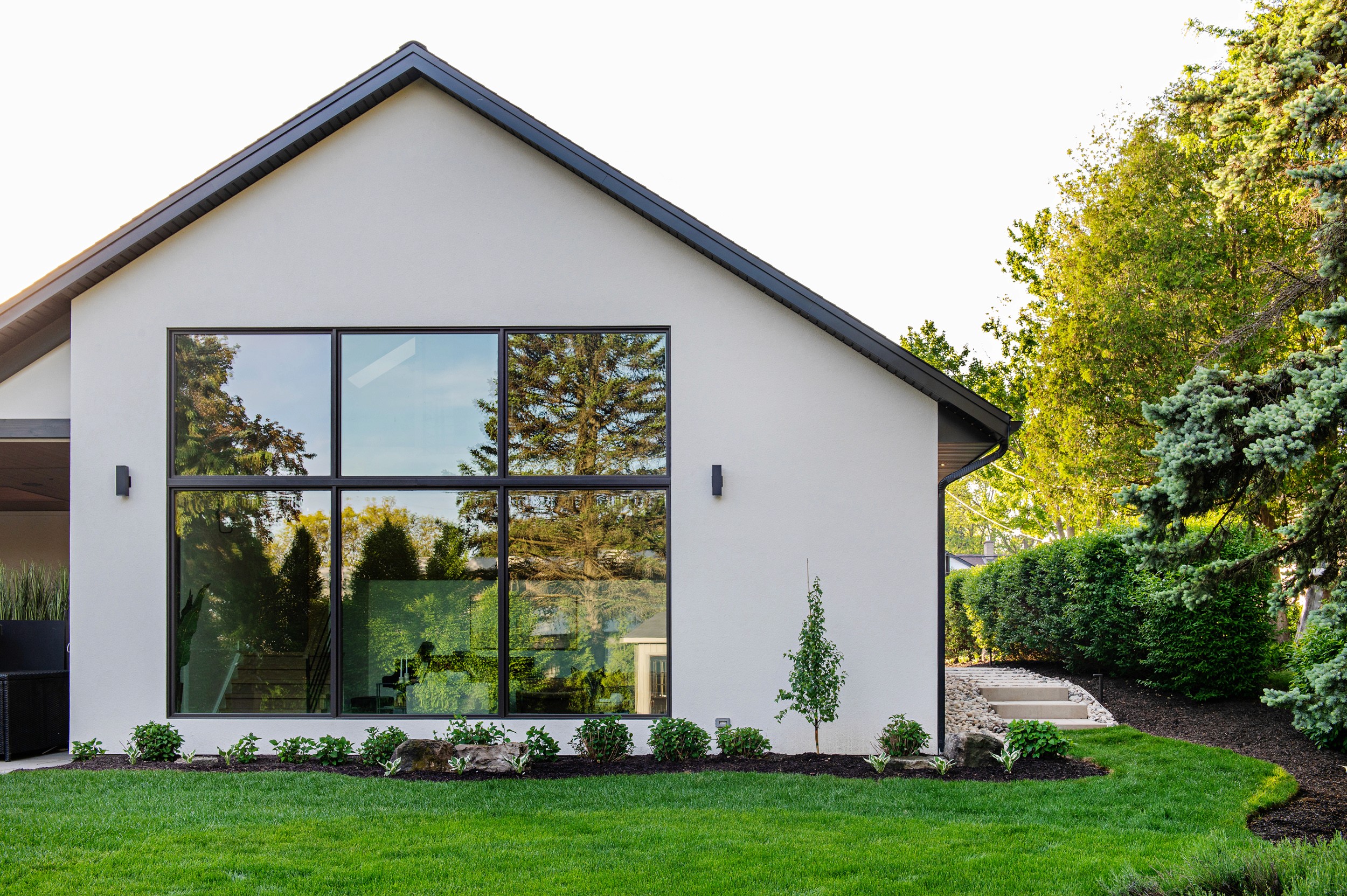
Natural light is fundamental to biophilic design. Thoughtful placement of windows, skylights, and glass walls invites daylight deep into interior spaces, creating a direct visual connection with the outdoors. Modern fenestration technologies—such as thermally broken frames, low‑E coatings, and multi‑pane glazing—allow expansive glazing without sacrificing energy efficiency or comfort. Daylight studies and modeling tools help architects determine optimal window orientation and size to maximize light while controlling heat gain and loss throughout the year.
2. Natural Materials and Textures
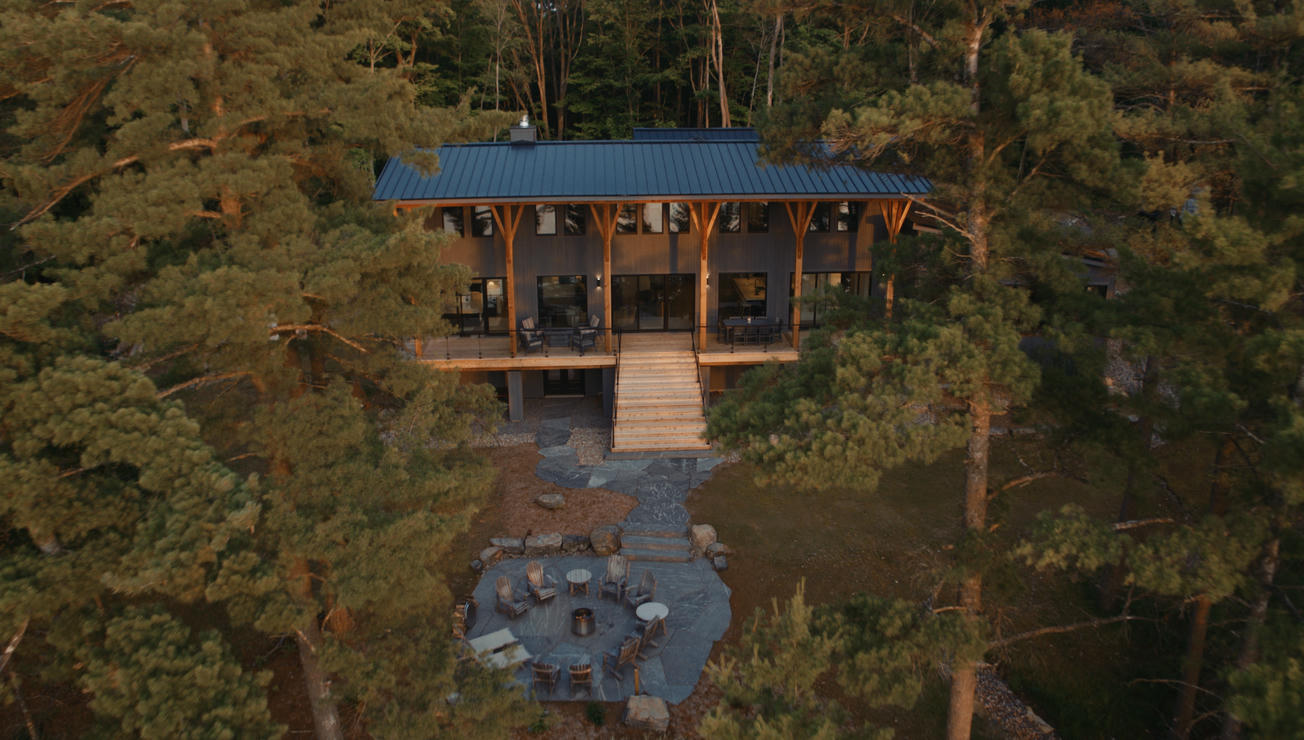
Incorporating wood, stone, and other natural materials inside the home enhances sensory experiences and fosters a tactile connection to nature. These materials not only create warmth and visual richness but also improve indoor environmental quality when paired with daylighting. Their surface textures interact dynamically with changing light, reinforcing the perception of depth and natural variation indoors.
3. Indoor Greenery and Transitional Spaces
Plants and water elements bring living systems into the home, supporting cleaner air, visual relief, and psychological comfort. Residential designs may include interior gardens, courtyard green spaces, or living walls that extend views and ecological experiences into the living environment. By aligning greenery with natural light sources, these features help integrate interior and exterior landscapes, strengthening occupant connection to nature throughout the day.
The Performance Advantage
Biophilic design also aligns with sustainability goals. Maximizing daylight reduces dependency on artificial lighting, cutting energy use and lowering utility costs. Passive design strategies—such as orienting homes for solar gain, using shading devices, and incorporating operable windows for natural ventilation—further enhance comfort and reduce mechanical loads. When paired with high‑performance fenestration and thoughtful material choices, biophilic homes can achieve measurable energy savings while improving indoor environmental quality.
Elevating the Residential Experience
Biophilic design is more than decorative—it’s a research‑backed approach that positively influences health, efficiency, and occupant satisfaction. By prioritizing natural light, materials, greenery, and visual connections to outdoor environments, residential architects can create homes that feel more spacious, restorative, and resilient. In Canada and beyond, biophilic principles are shaping the future of residential design—bridging nature and technology to deliver spaces that support how people naturally thrive.
In residential architecture, biophilic design has become more than a trend; it’s a holistic approach that reintegrates nature into living spaces to enhance well‑being, performance, and sustainability. Rooted in the understanding that humans have an inherent connection to the natural world, biophilic design uses elements like natural light, greenery, materials, and views of the outdoors to create homes that feel healthier, more comfortable, and deeply connected to their surroundings.
Why Biophilic Design Matters
Biophilic design goes beyond aesthetics. Research shows that environments enriched with natural elements can significantly reduce stress and anxiety, improve cognitive performance, and boost overall emotional well‑being. When occupants have access to natural light, plants, and visual connections to nature, physiological benefits such as lower cortisol (stress hormone) levels and improved mood have been observed across various settings.biophilicproducts.org
In Canada, researchers are also exploring biophilic design’s role in extreme climates. A recent Canadian study focused on Arctic buildings highlights how positive indoor‑outdoor connections—especially through daylighting and thermal comfort—can improve occupant well‑being even in environments with limited natural light and severe weather conditions. The research integrates photobiological and thermal needs with biophilic principles, providing a framework that supports energy‑efficient, nature‑responsive design suited for high‑performance residential spaces.ScienceDirect
Another Canadian research initiative co‑created with Inuit communities in Ikaluktutiak (Cambridge Bay) seeks to reconcile well‑being with energy performance in architecture under extreme photoperiods. This work aims to develop architectural strategies that respond to local light cycles and cultural needs while enhancing thermal comfort and environmental performance—showing that biophilic design can be both culturally grounded and technically advanced.sentinellenord.ulaval.ca
Key Strategies for Biophilic Residential Design
1. Strategic Daylighting and High‑Performance Fenestration
Natural light is fundamental to biophilic design. Thoughtful placement of windows, skylights, and glass walls invites daylight deep into interior spaces, creating a direct visual connection with the outdoors. Modern fenestration technologies—such as thermally broken frames, low‑E coatings, and multi‑pane glazing—allow expansive glazing without sacrificing energy efficiency or comfort. Daylight studies and modeling tools help architects determine optimal window orientation and size to maximize light while controlling heat gain and loss throughout the year.
2. Natural Materials and Textures
Incorporating wood, stone, and other natural materials inside the home enhances sensory experiences and fosters a tactile connection to nature. These materials not only create warmth and visual richness but also improve indoor environmental quality when paired with daylighting. Their surface textures interact dynamically with changing light, reinforcing the perception of depth and natural variation indoors.
3. Indoor Greenery and Transitional Spaces
Plants and water elements bring living systems into the home, supporting cleaner air, visual relief, and psychological comfort. Residential designs may include interior gardens, courtyard green spaces, or living walls that extend views and ecological experiences into the living environment. By aligning greenery with natural light sources, these features help integrate interior and exterior landscapes, strengthening occupant connection to nature throughout the day.
The Performance Advantage
Biophilic design also aligns with sustainability goals. Maximizing daylight reduces dependency on artificial lighting, cutting energy use and lowering utility costs. Passive design strategies—such as orienting homes for solar gain, using shading devices, and incorporating operable windows for natural ventilation—further enhance comfort and reduce mechanical loads. When paired with high‑performance fenestration and thoughtful material choices, biophilic homes can achieve measurable energy savings while improving indoor environmental quality.
Elevating the Residential Experience
Biophilic design is more than decorative—it’s a research‑backed approach that positively influences health, efficiency, and occupant satisfaction. By prioritizing natural light, materials, greenery, and visual connections to outdoor environments, residential architects can create homes that feel more spacious, restorative, and resilient. In Canada and beyond, biophilic principles are shaping the future of residential design—bridging nature and technology to deliver spaces that support how people naturally thrive.