
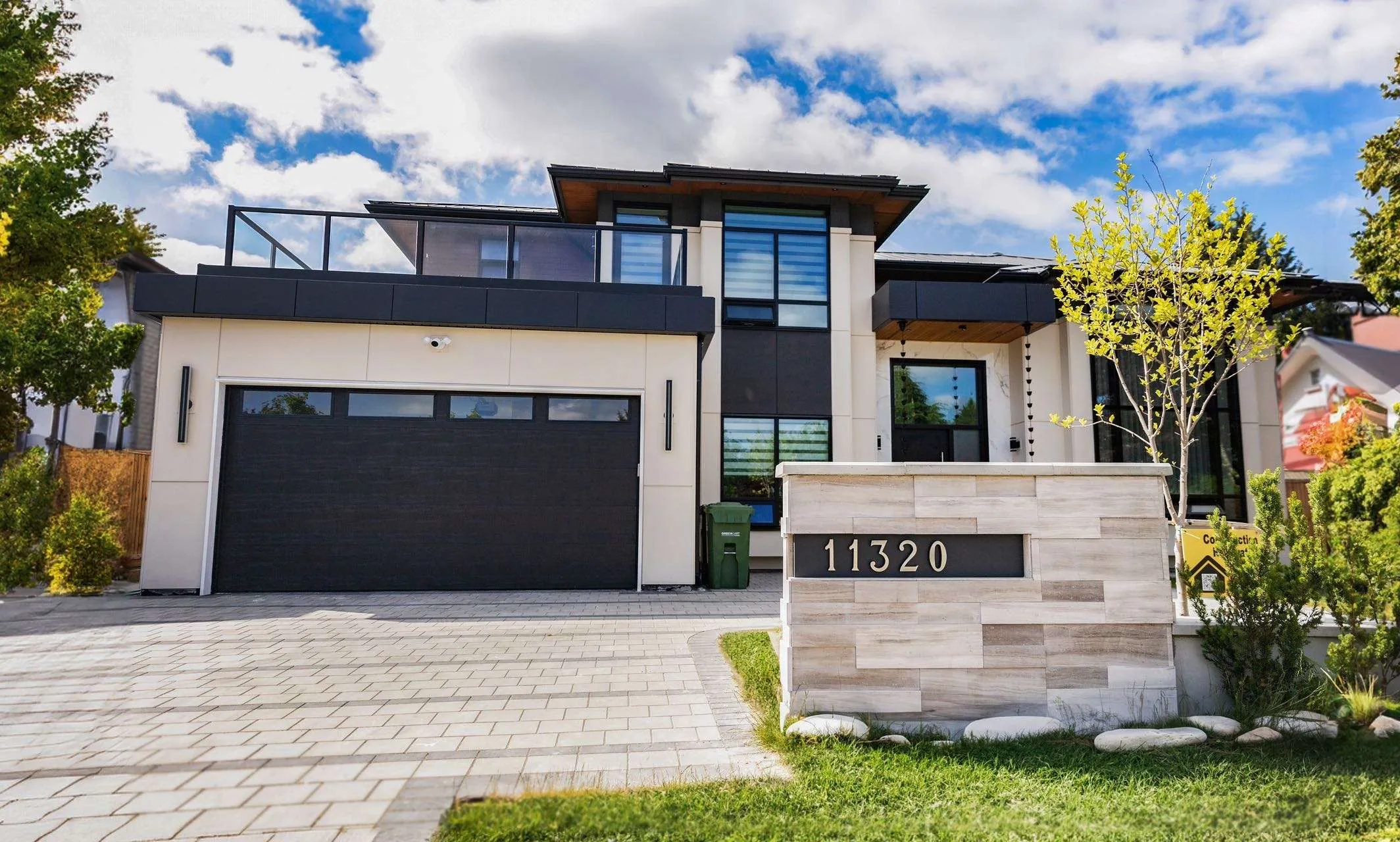
MATERIAL PERFORMANCE
Designed for projects where architecture and performance need to work together. Fiberglass combines structural strength, thermal performance and clean sightlines for custom homes, major renovations and high-performance residential construction.
STRENGTH — Supports demanding window configurations and larger openings.
STABILITY — Maintains dimensional stability through changing temperatures.
THERMAL PERFORMANCE — Lower thermal conductivity than aluminum framing.
DESIGN FLEXIBILITY — Suitable for traditional, contemporary and high-performance architecture.


ONTARIO WEATHER
Fiberglass pairs with advanced glazing and weather seals for Ontario’s extremes.
WINTER
Cold temperatures + heat retention
SUMMER
Heat + solar exposure
WIND
Air and water resistance
YEAR-ROUND
Frame stability + durability
MATERIAL COMPARISON
Fiberglass, wood-clad, vinyl and aluminum each bring different strengths. Compare the complete window, the opening and your maintenance priorities—not the frame material alone.
FIBRE-REINFORCED FRAME
Fiberglass
WOOD INTERIOR + EXTERIOR CLADDING
Wood-clad
PVC FRAME
Vinyl
METAL FRAME
Aluminum
DECISION POINT
FIBERGLASS
WOOD-CLAD
VINYL
ALUMINUM
Interior appearance
Painted profiles; finish options vary by system.
Natural wood interiors with paint or stain options.
PVC profiles with finish options that vary by system.
Metal profiles with coating and finish options.
Thermal design
Good insulating characteristics; frame construction and glazing matter.
Wood provides insulation; assess the complete clad assembly.
Good insulating characteristics; chambers, reinforcement and glazing matter.
Thermal breaks reduce heat transfer through the metal. Compare the rated system.
Routine maintenance
Clean frames and inspect finish, seals, drainage and hardware.
Care for interior wood; inspect cladding, joints, seals and drainage.
Clean frames and inspect seals, drainage and hardware.
Clean finishes and inspect seals, drainage and hardware.
Design considerations
Check available profiles, colours and tested sizes.
Review wood species, interior details and exterior cladding.
Check frame proportions, finish choices and tested sizes.
Review sightlines, thermal-break design and tested configurations.
What to verify
Whole-window ratings for the selected glazing and opening style.
Whole-window ratings plus finish-care and moisture-management details.
Whole-window ratings and any configuration-specific reinforcement.
Whole-window ratings and the exact thermally broken construction.
On smaller screens, swipe sideways to compare all four materials.
Cost and service life depend on the product, glazing, installation, exposure and upkeep. No material is universally best, and a material name does not establish ENERGY STAR or Passive House certification.
Sources: ENERGY STAR framing guidance and Natural Resources Canada’s window rating definitions.
HIGH-PERFORMANCE BUILDING
High-performance homes demand a complete system. SILEX supports energy-efficient and Passive House projects.
BUILDING ENVELOPE PRIORITIES
Frame performance
Glazing performance
Air tightness
Thermal bridging
Solar heat gain
Installation detailing
PRODUCT CERTIFICATIONS



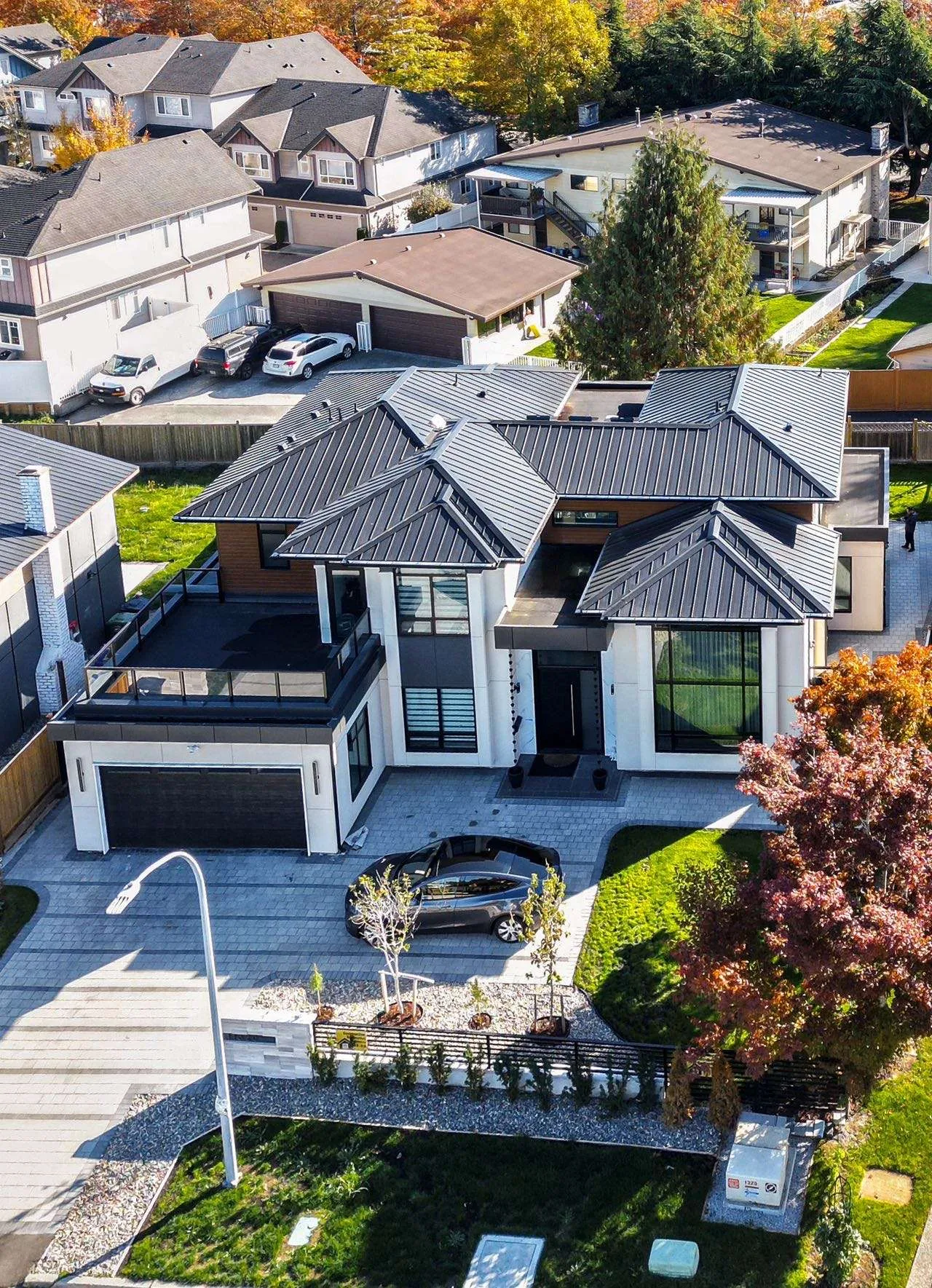
Custom Home Fiberglass Window Installation
Canada
Fiberglass windows bring lasting durability, energy efficiency and contemporary style to this custom-built residential home.
Fiberglass
View Project
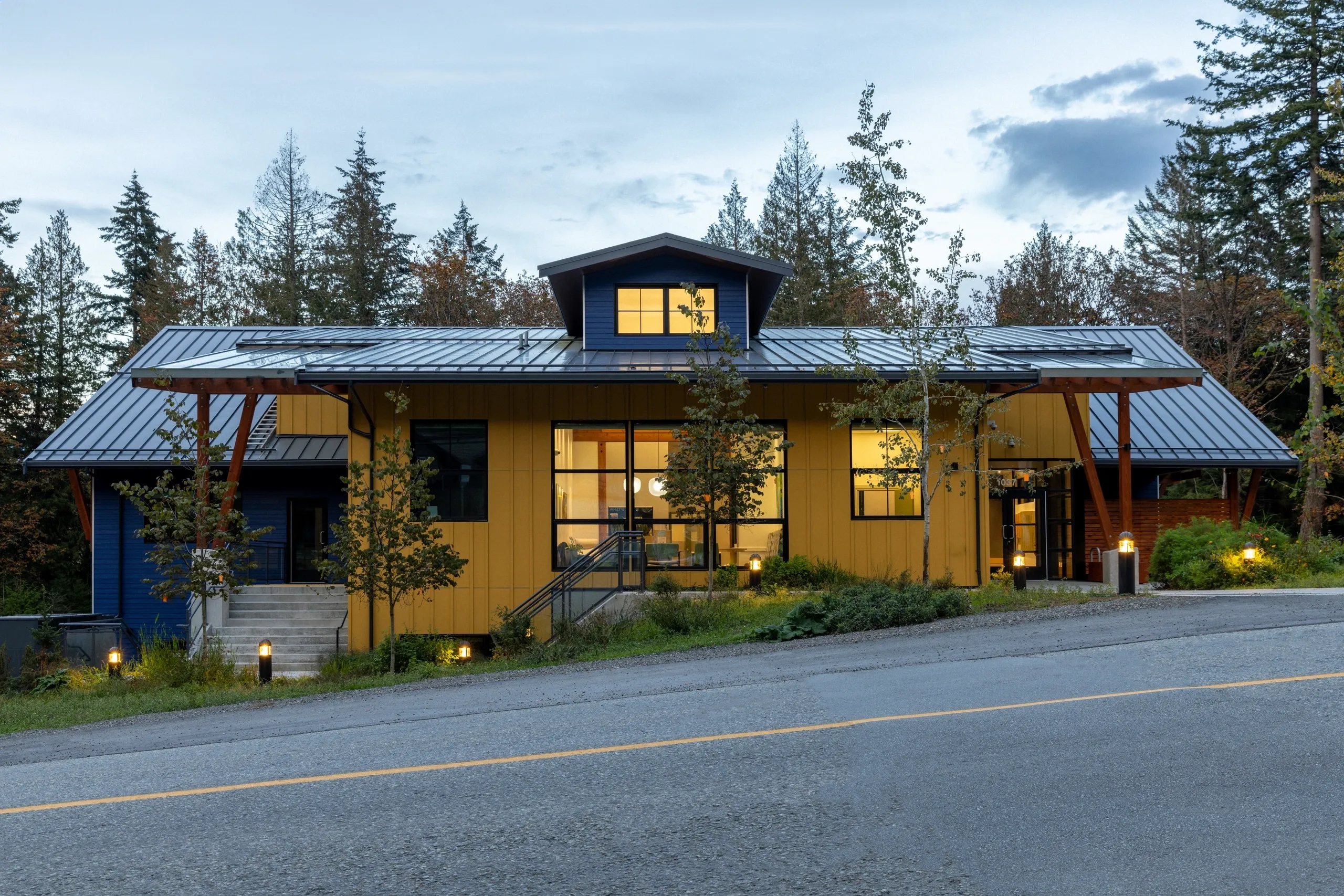
Institutional Healthcare Fiberglass Window Project
Canada
Fiberglass windows bring natural light, energy efficiency and lasting durability to this modern institutional healthcare facility.
Fiberglass
View Project
Best where opening size, design and thermal performance matter.
Particularly worth considering for
Custom homes
Major renovations
Custom large openings
Contemporary architecture
Cottage and waterfront homes
High-performance homes
Passive House projects
Architect-designed additions
Clear explanations to help you understand how we work and what to expect.